
How to Design a Brewery With the Right Craft Beer Equipment?
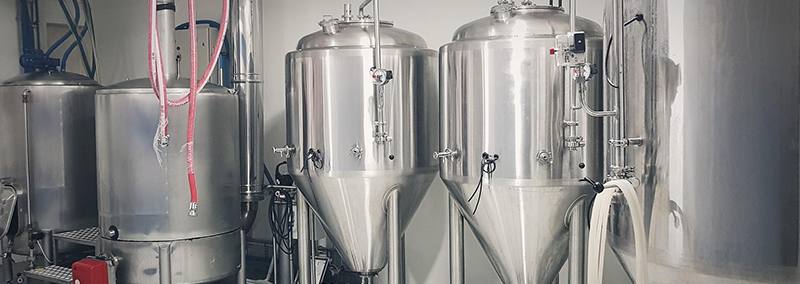
A brewery should be designed around production goals, beer styles, available space, and future expansion. Selecting suitable craft beer equipment and high-quality commercial brewery equipment can improve brewing consistency, reduce energy use by 15–40%, and increase production efficiency through better workflow, temperature control, and automation. A well-planned system connects brewhouses, fermentation tanks, cooling units, cleaning systems, and packaging equipment into one efficient process.
Designing a brewery starts with defining annual production targets, because equipment size affects every stage of brewing. A small craft brewery producing 300–1,000 barrels per year usually needs flexible systems with lower automation, while a regional brewery producing over 10,000 barrels annually requires larger brewhouses, multiple fermentation tanks, and integrated controls.
The first calculation should be based on batch size, brewing frequency, and expected market demand. For example, a 10-barrel brewhouse operating five times per week can produce a different volume compared with a 20-barrel system running three times weekly. Many breweries plan for 30–50% future capacity growth when selecting tanks and utility systems.
| Brewery Scale | Annual Production | Common Equipment Setup |
|---|---|---|
| Nano Brewery | 100–500 barrels | 3–7 barrel brewing system, manual controls |
| Micro Brewery | 500–5,000 barrels | 10–30 barrel brewhouse, multiple fermenters |
| Regional Brewery | 5,000+ barrels | Automated brewhouse, large tank farm, packaging line |
The production plan determines the required brewhouse configuration. A brewhouse normally includes mash vessels, lauter tanks, brew kettles, whirlpools, pumps, and heat exchangers. Modern systems often combine several functions into fewer vessels, reducing installation space by approximately 20–30% compared with traditional multi-vessel layouts.
The mash process requires accurate temperature management because enzymes convert starch into fermentable sugars during this stage. Most brewing systems maintain temperature accuracy within around ±0.5°C to achieve consistent wort quality. Poor temperature control may create differences in alcohol level, body, and flavor between batches.
The lauter system affects wort collection speed and malt efficiency. A properly designed false bottom and filtration system can help breweries achieve extraction efficiency above 80%. Improving efficiency by only 5% can reduce raw material consumption over thousands of barrels of annual production.
“Equipment selection should match the beer styles being produced. A brewery making lagers, IPAs, and seasonal releases may require different tank capacity and temperature control compared with a brewery producing only one beer type.”
After wort production, fermentation equipment determines production capacity and storage requirements. Stainless steel conical fermenters are widely used because they allow fermentation and yeast collection in one tank. A brewery producing 5,000 barrels annually may require several fermentation vessels to maintain regular production schedules.
Tank sizing requires balance between efficiency and flexibility. Large tanks reduce cleaning frequency and labor time, while smaller tanks allow more beer varieties. Many craft breweries use a combination of different tank sizes, such as 10-barrel tanks for specialty beers and 40–100-barrel tanks for regular products.
Fermentation temperature control systems are normally based on glycol cooling technology. A stable cooling system helps maintain yeast performance during fermentation. Temperature changes of only a few degrees can influence fermentation speed and flavor development, especially for lager production, where fermentation temperatures may remain close to 10°C.
The cooling system must also match the brewery’s maximum production period. A system designed only for average demand may struggle during summer months or high-volume production periods. Many breweries install cooling capacity with approximately 20–30% additional room for future expansion.
Energy consumption is another factor considered during brewery design. Heating, cooling, and cleaning processes account for a large portion of brewery operating costs. Heat recovery systems can reuse energy from hot wort or wastewater and may reduce heating requirements by 10–25%.
| Equipment Area | Main Function | Efficiency Consideration |
|---|---|---|
| Brewhouse | Wort production | Heat recovery, vessel insulation |
| Fermentation Area | Alcohol production | Cooling accuracy, tank capacity |
| CIP System | Cleaning | Water and chemical control |
| Packaging Area | Distribution preparation | Speed and product protection |
Water management is also important because brewing uses significant water volumes. Traditional breweries may use 4–7 liters of water for every liter of beer produced, while optimized facilities can reduce this ratio through improved cleaning systems and wastewater management.
Cleaning equipment should be included during the initial brewery design instead of being added later. Cleaning-in-place systems allow tanks and pipelines to be cleaned without manual disassembly. Automated CIP systems can reduce cleaning time by approximately 30–50% and improve sanitation consistency.
“A brewery layout should allow ingredients, beer, cleaning materials, and finished products to move through separate areas with minimal unnecessary movement.”
The physical arrangement of equipment affects daily operation. Grain storage should be positioned close to milling equipment, while fermentation tanks should connect efficiently with the brewhouse and cooling system. Packaging areas usually require direct access to finished beer storage and shipping zones.
Pipeline design also affects production quality. Shorter transfer distances reduce cleaning requirements and product loss. Many breweries place brewhouses, fermenters, bright tanks, and packaging equipment in a linear workflow to simplify operation.
Automation levels depend on brewery size and production goals. Small breweries may use digital temperature controllers and manual valves, while larger facilities often install automated systems that monitor pressure, temperature, flow rate, and fermentation progress.
Modern brewery control systems can record production data from multiple tanks at the same time. This helps brewers compare batches and maintain consistent recipes. Since 2015, automated brewing technology has become more common among medium-sized breweries because equipment prices and control systems have become more accessible.
Material quality affects equipment lifespan and maintenance requirements. Food-grade stainless steel, especially 304 stainless steel, is widely used for brewing vessels because it provides corrosion resistance and easy cleaning. Some breweries choose 316 stainless steel for areas exposed to stronger cleaning chemicals or special ingredients.
Packaging equipment should also be considered when designing the brewery. Bottling lines, canning machines, and keg fillers require different space and production layouts. A brewery that increases packaging capacity later may need additional floor space, electrical systems, and storage areas.
| Packaging System | Suitable Application | Typical Advantage |
|---|---|---|
| Keg Filling | Local taprooms | Lower equipment cost |
| Bottling Line | Retail distribution | Traditional market acceptance |
| Canning System | Wider distribution | Lightweight and efficient |
Future expansion should influence the first equipment purchase. Modular brewing systems allow breweries to add fermenters, upgrade controls, or increase packaging capacity without replacing the entire facility. Many growing breweries design initial layouts with additional utility connections for future tanks.
Investment planning should consider both equipment price and long-term operating costs. A lower-cost system may require more labor, energy, and maintenance over several years. A slightly higher initial investment in efficient pumps, insulation, automation, and cleaning systems can reduce operating expenses over the equipment lifespan.
“The best brewery equipment setup is the one that supports current production while leaving enough room for new products and higher output.”
A successful brewery design combines suitable brewhouse capacity, reliable fermentation equipment, efficient utilities, practical layouts, and scalable technology. By matching craft beer equipment with production volume and operating goals, breweries can maintain consistent beer quality while improving efficiency throughout the brewing process.